

Each year we strive to learn more through collaborative research efforts that support the aims of our Research Policy.
Whether you are a student, a research institute, NGO, SME or large business looking to partner with us on a research project, take a look at the list of questions below and contact us on the email below to discuss your ideas further research@oceanconservationtrust.org.
Project proposals that do not fall into the key areas of research below will be considered if they are felt to be of clear benefit to our research policy aims and conservation strategy.
The following outlines our research aims across our core programmes.

Seagrass Research
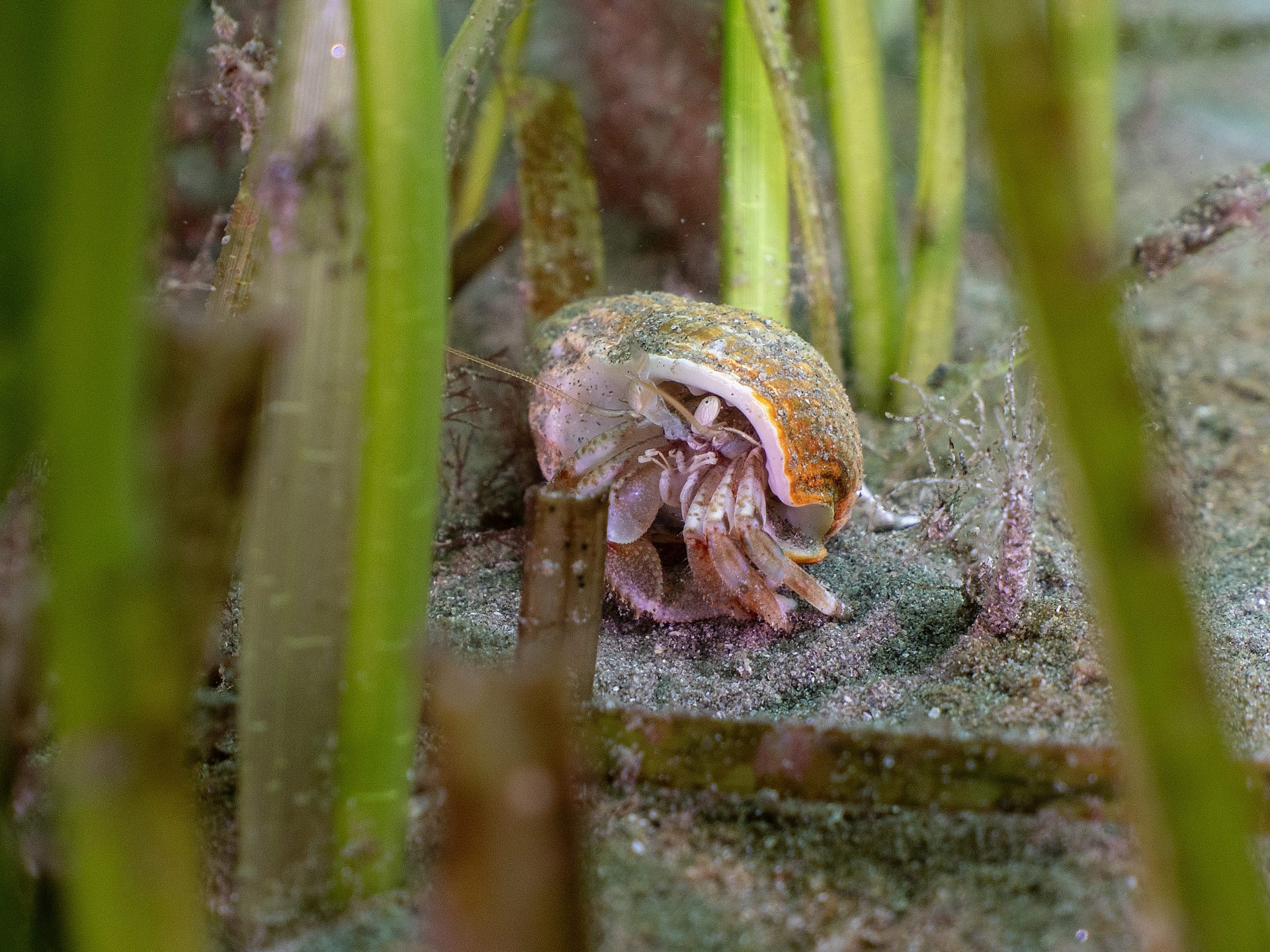
As a team of practitioners, we are interested in research that supports all aspects of scaling up seagrass restoration and protection. Areas of research might include:
- Advancing optimum conditions and processes for growing Zostera marina from seed, in situ or ex situ
- Understanding chlorophyll fluorescence and photosynthetic rates and stress responses of Zostera marina
- Microbiome for optimising cultivation and pathogen control/mitigation of Zostera marina populations
- Technological innovation in field monitoring and mapping of seagrass, including improvements to water quality and biodiversity measurements/techniques
- Genetic connectivity of seagrass beds at seascape to regional scales, through the lens of scaling up active restoration and natural regeneration
- Improvements to restoration suitability modelling at a site-seascape scale
For further ideas, please consider the following paper which outlines ‘One hundred priority questions for advancing seagrass conservation in Europe.’
Education
As a team of education specialists, we are interested in research that supports creating the next generation of marine citizens and including the Ocean in the curriculum. This might include:
- Engaging with climate anxiety in the classroom
- Ocean engagement priorities for teachers across the country
- Development of a marine identity survey for primary aged children
- Comparison of best practise connecting students in land-locked vs coastal communities to the Ocean
Advocacy and Behaviour change
We have a strong human dimension to our conservation research as we inspire Ocean advocacy through connections with nature. Research could include:
- How to embed #thinkocean into behaviour change programmes
- Longitudinal study of impacts of the National Marine Aquarium on members of the public and ex-staff on pro-environmental behaviours
- The status of Ocean literacy within councils that have passed a Motion for the Ocean
- Different motivation methods for large scale behaviour change and evaluation mechanisms to capture impact long term
- Ocean literacy – Open to accept potential research projects on this subject
- UN Ocean Decade Programme – Open to accept potential research projects on this subject
Public and Community
We know that when people feel an emotional connection to nature, they are more likely to protect and support it’s future. So, our research aims include:
- Evaluation of success of online engagement with variety of audiences
- Community connections with the Ocean/National Marine Park
- Does a visit to an aquarium increase connectedness to nature or nature relatedness and, if so, does this influence:
- Emotional and/or psychological well-being?
- Pro-environmental behaviour?
Husbandry Research
We strive to have the highest welfare standards in our Conservation Aquarium. Research could cover the following areas:
- Long term evaluation of flow rates both supposed and actual in large exhibits
- Zooplankton culture and live food protocols
- Assessment of pros and cons of the use of lanthanum chloride in the control of phosphate and turbidity
- Effect of anthropogenic noise on behaviour and/or welfare
- Different methods of culturing macroalgae
- Use of UVB in Aquariums
- Improving delivery and evaluation of enrichment for community species
- How does visitor numbers effect pH in our systems? Mitigation of increased CO2 levels?
- Diet review and nutritional evaluation of natural wild diets vs captive
- Effectiveness of enrichment emulsions on the nutritional quality of frozen foods
- Effects of more natural food presentation methods vs target / station training on captive animal activity budgets
- Does elevated phosphate levels inhibit calcium carbonate sequestering in favour of calcium phosphate?
- Physiological and behavioural changes of captive temperate marine species exposed to seasonal fluctuations in temperature / salinity / diet
- Literature review of health implications for keeping stenohaline tropical marine fish at suppressed salinity for prolonged periods of time
- Does the use of UVC sterilization allow the proliferation of more opportunistic bacteria such as vibrio in an aquarium setting
- Effects of full spectrum light on coral growth rates. LED vs metal halide lighting
- Effects of full spectrum, high intensity lighting on coral health.
- Are corals animals or plants? Effects of full spectrum lighting focusing on the animal, not the symbiont
- Adverse effects of coral dips on natural microbiome communities
- Sustainability review of frozen foods within the aquarium
- Management of mycobacteria in captivity. Effects of UV, ozone, stocking density, stress
- Screening for Mycobacterium marinum and developing other monitoring techniques
- Screening for Vibrio and developing other monitoring techniques
- Seasonal variations in diet choice of Elasmobranchs in captivity
Contact us on the button below to discuss your ideas further.