

Join us this Autumn Term for our first ever Ocean Change Makers!
An initiative bringing Ocean advocacy to life for hundreds of young people across Plymouth. Designed for Upper KS2 and KS3, this curriculum-linked project is a chance for young people to learn about the importance of advocacy – what it is, how to use their voice to speak up for what they care about, and most importantly, how they can affect real-world change and become champions for the Ocean.
Students will explore three advocacy topics:
- Waste/Pollution
- Habitat Loss
- Energy Use
Email learning@oceanconservationtrust.org to secure your session now!
10am – 2.15pm
Welcome – Students will understand what advocacy means, why it’s important and how to tell a compelling story. They’ll also get to hear from our Ocean Marketing and Communications Team, who will share how their storytelling and advocacy campaigns spread across the world.
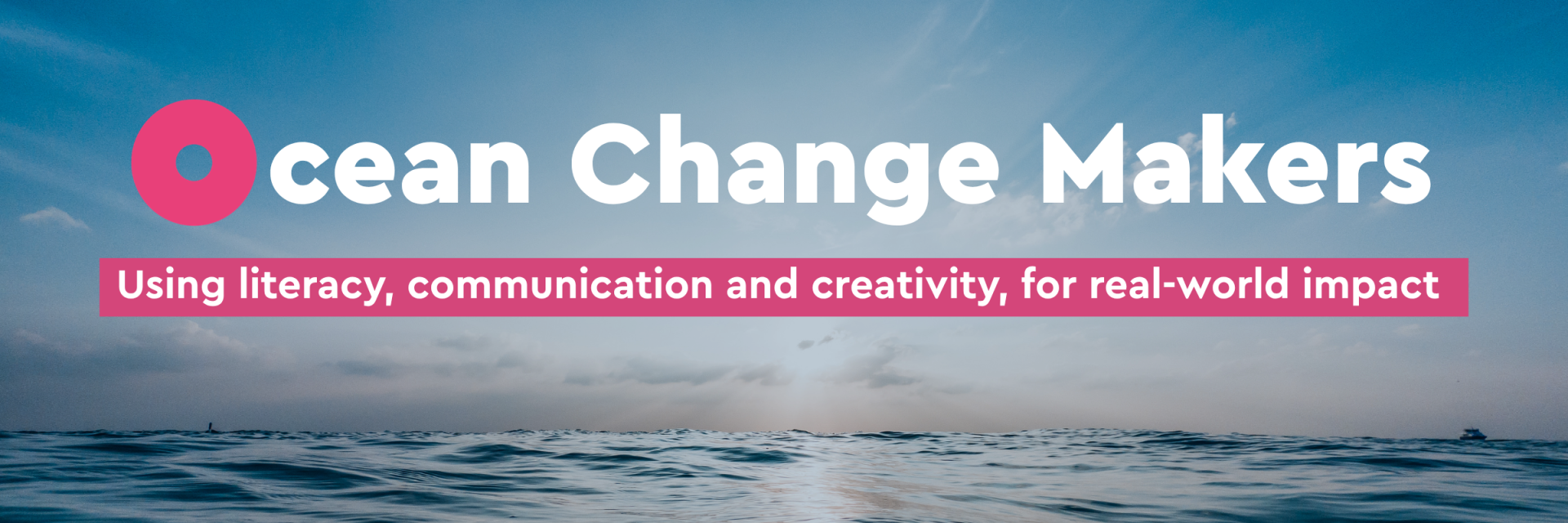
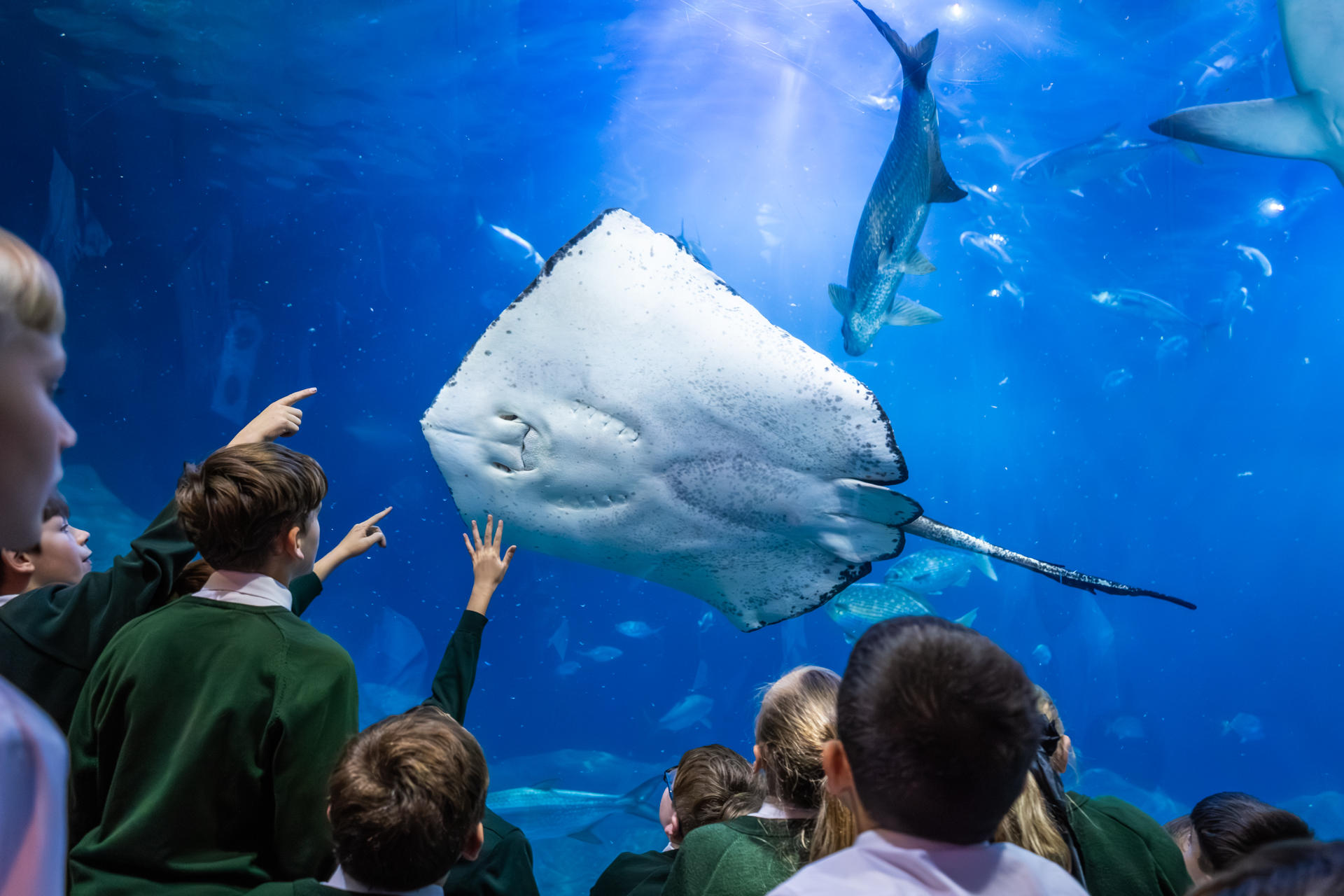
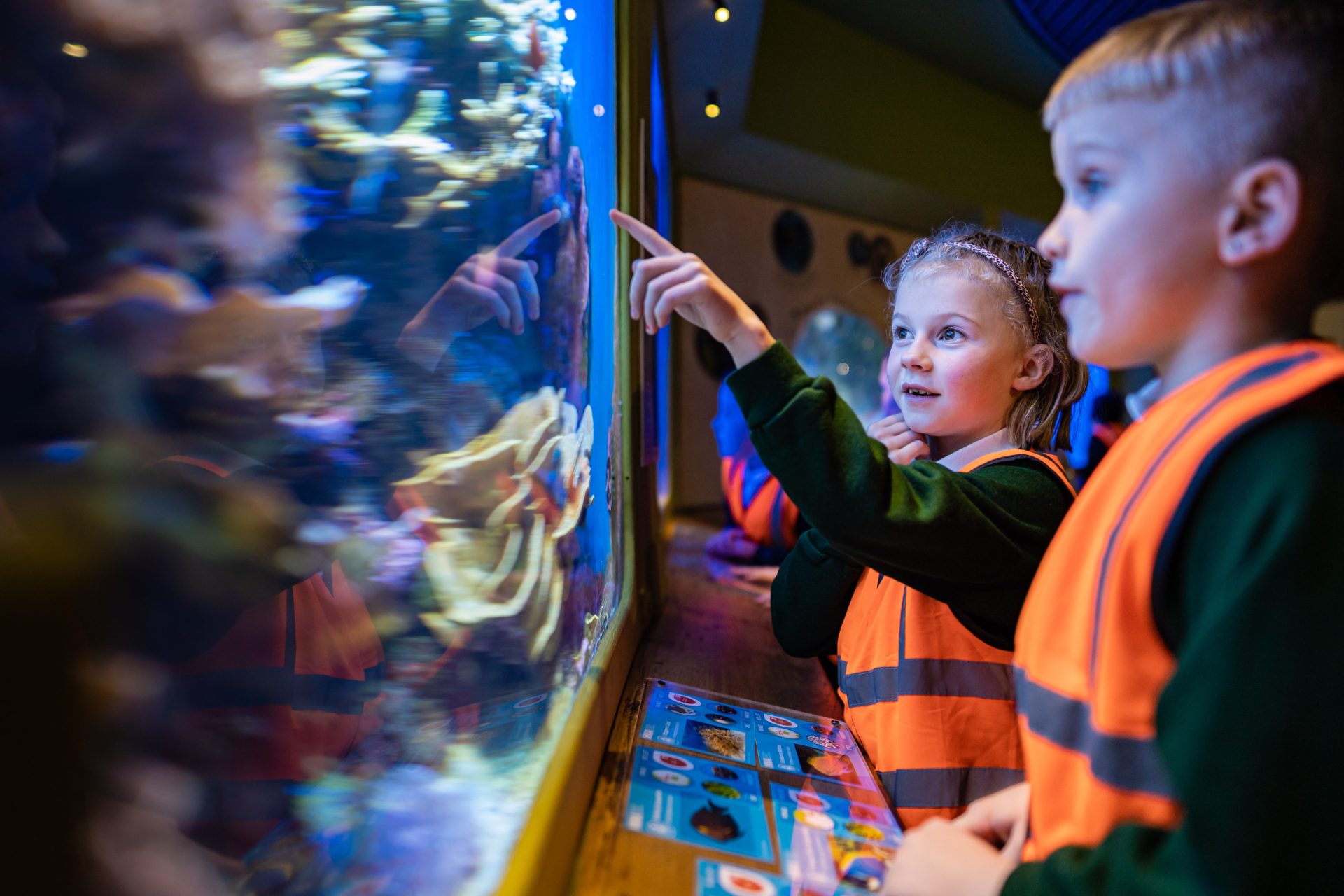
Tour – For the next hour, they’ll explore three key marine issues, in front of some of our most exciting habitats. They’ll complete worksheets and be guided by a Learning Officer, who will be on hand to answer any questions.
Lunch – 30 minutes
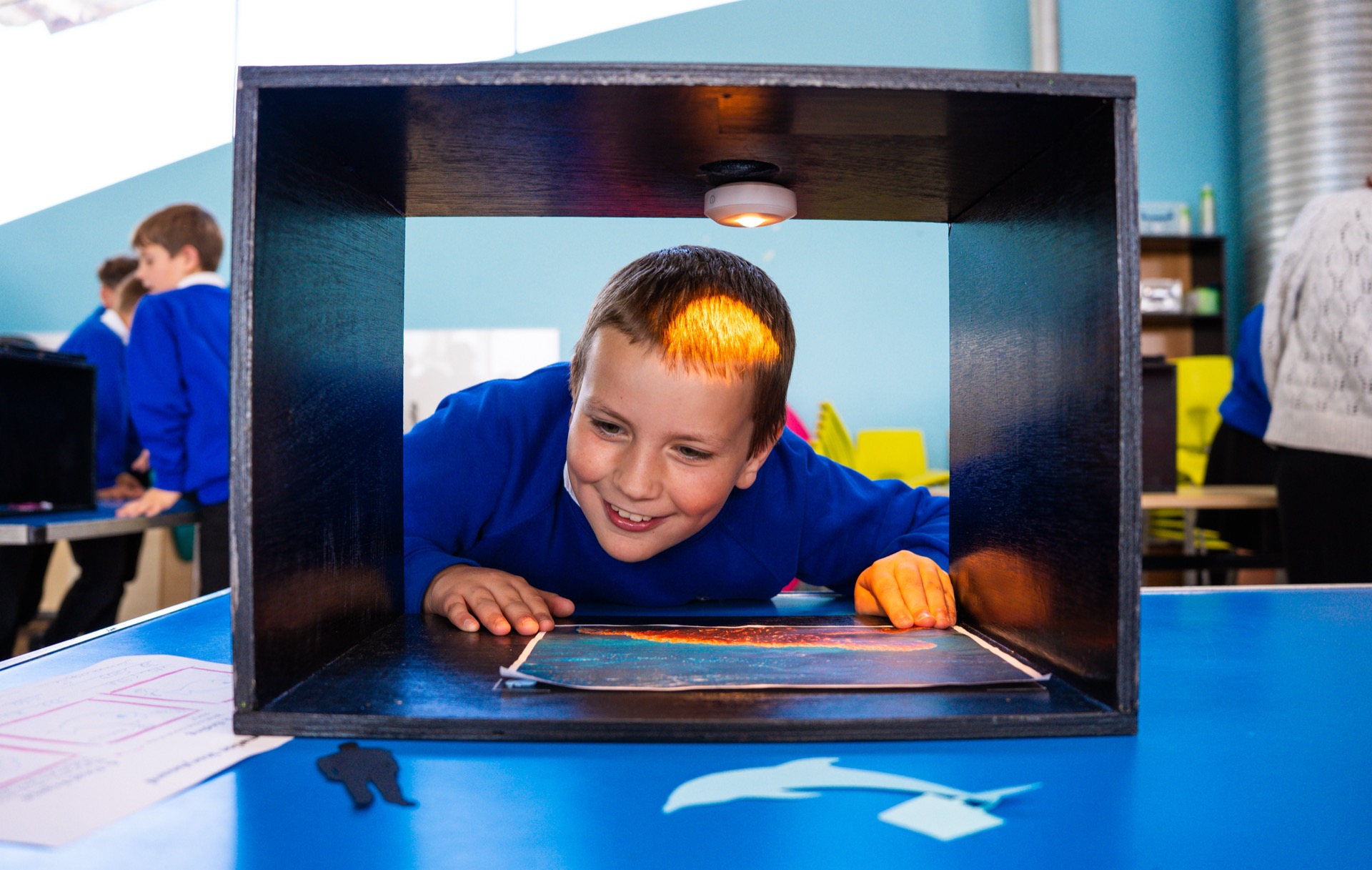
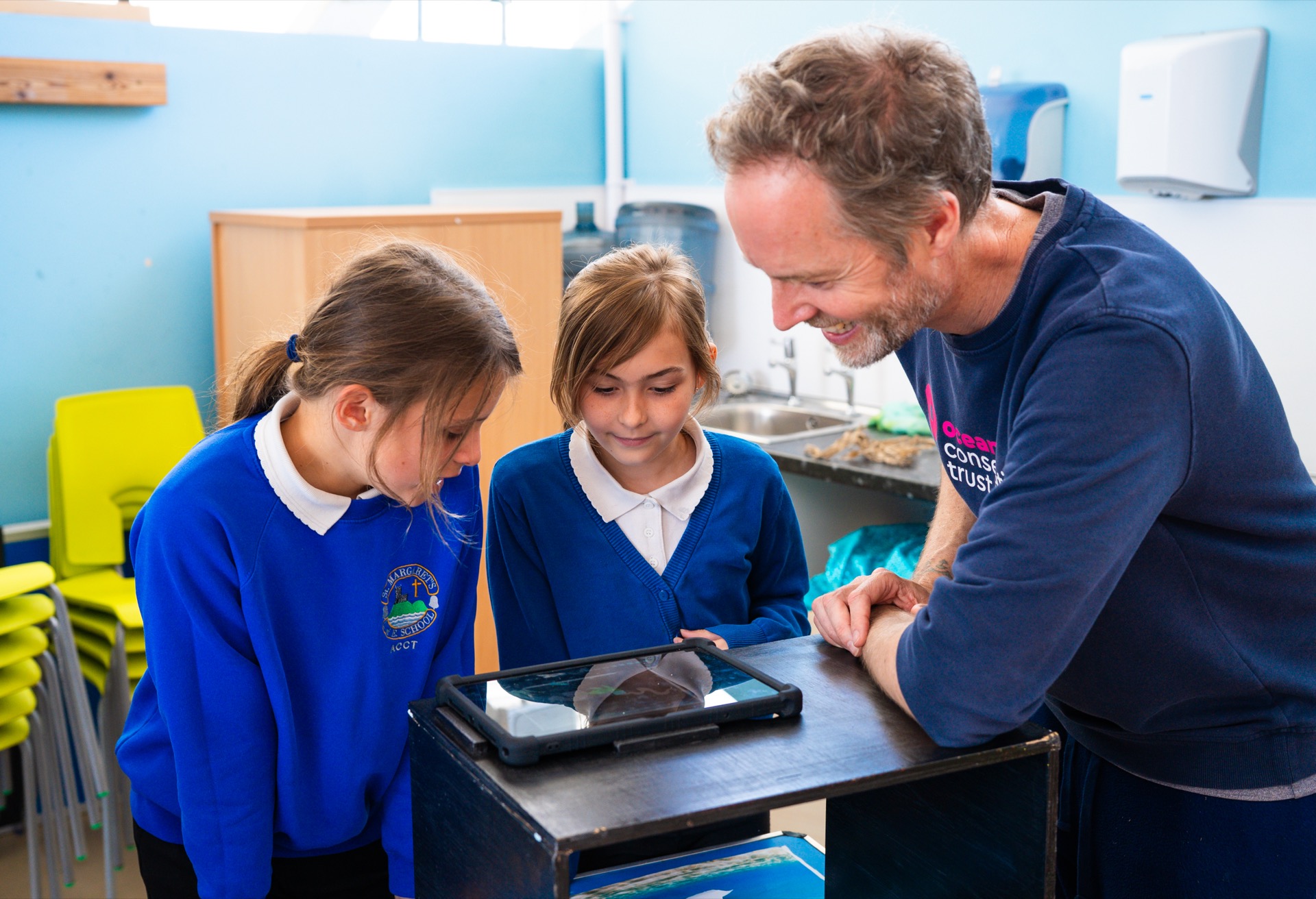
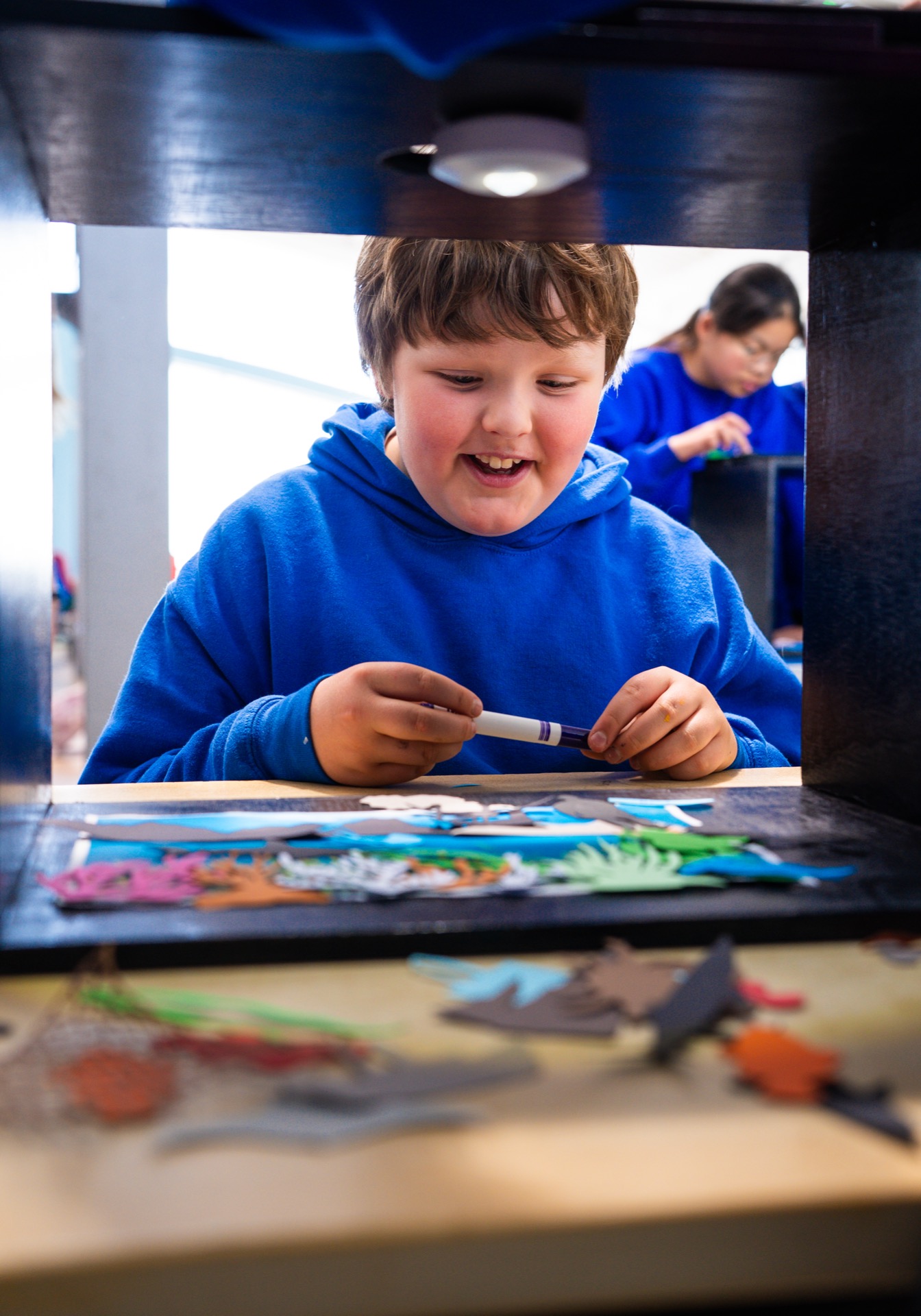
Workshop – To end the day, they’ll design a storyboard centred around a tour topic (or of their choosing) and create a short Stop-Motion Animation video. Using our animation studios and tablets, they’ll have the choice of using our cut-outs or they can make their own. Watch below to see the type of video they’ll be creating:
Their work will be celebrated within Plymouth
This is more than just a day at the Aquarium. To show how important their voices are, the students incredible work will become part of a free exhibition displayed at the Market Hall over the Spring term. This free exhibit will bring the community together to celebrate young Ocean advocates across Plymouth and that they can affect real world change.
Take the Ocean back to your classroom…we’ll give you FREE resources!
You’ll be provided with a range of FREE session ideas and materials (including borrowing our Stop Motion studios) to continue nurturing your Ocean advocates in the classroom.
- Get started with Ocean advocacy learning before the workshop. We’ll provide you with an engaging session around storytelling and story boarding. This lesson plan will cover why it’s important and how we do it. It will give your young people baseline knowledge about what makes successful persuasive writing and give them a chance to develop key literacy skills.
- For schools within PL1-PL9, there are two Stop Motion Studios and tablets available to borrow for November.
- Keep making new videos for the exhibit, or for your projects. You could even start a Stop Motion Animation club!
- For schools further away and our home education community, you can access a ‘how-to’ guide to set up your own Stop Motion Studio.
- Resources include a ‘how-to’ guide on ways learners can advocate for the Ocean, from writing letters to MP’s, filming nature documentaries and many more! These can also be submitted for the exhibit, and the guide contains all instructions.
Teachers will be supported throughout the programme with a welcome webinar introducing the programme and timeline. After the aquarium day, the Learning Officer who taught their class will provide ongoing support, with online mentoring available.
Ocean Change Makers gives young people the confidence, motivation and inspiration to continue advocating for causes they are passionate about beyond the project, while giving teachers the support they need to nurture confident, passionate young people in current and future classes.
Connect with other schools!
There will be an opportunity for schools to show their work to other schools, increasing the sense of community and sharing advocacy messages.
Every part of Ocean Change Makers is linked to the National Curriculum
English, science, geography, art and so much more will be explored. Click below to see the skills the Primary and Secondary sessions will enhance:
- The writing they do should include narratives, explanations, descriptions, comparisons, summaries and evaluations: such writing supports them in rehearsing, understanding and consolidating what they have heard or read.
- Write clearly, accurately and coherently, adapting their language and style in and for a range of contexts, purposes and audiences.
- Are competent in the arts of speaking and listening, making formal presentations, demonstrating to others and participating in debate.
- Distinguish between statements of fact and opinion.
- Retrieve, record and present information from non-fiction.
- Noting and developing initial ideas, drawing on reading and research where necessary.
- Become proficient in drawing, painting, sculpture and other art, craft and design techniques.
- Develop the creative, technical and practical expertise needed to perform everyday tasks confidently and to participate successfully in an increasingly technological world.
- Recognise that environments can change and that this can sometimes pose dangers to living things.
- Pupils should explore examples of human impact (both positive and negative) on environments, for example, the negative effects of population and development, litter or deforestation.
- Writing for a wide range of purposes and audiences.
- Summarising and organising material, and supporting ideas and arguments with any necessary factual detail.
- Considering how their writing reflects the audiences and purposes for which it was intended.
- Develop their capability, creativity and knowledge in computer science, digital media and information technology.
- Understand how human and physical processes interact to influence and change landscapes, environments and the climate; and how human activity relies on effective functioning of natural systems.
- Changes in the environment may leave individuals within a species, and some entire species, less well adapted to compete successfully and reproduce, which in turn may lead to extinction.
Ocean Change Makers for Home Education!
We’ll be hosting Ocean Change Makers for our Home Education community. The session has been designed for learners between the ages of 9-13 and will meet curriculum needs for this age group. Join us on Friday 9th or Monday 19th October.
FREE virtual live lesson
Ocean Change Makers will also be available as a FREE virtual session.
We will be taking learners on a tour of some of the key areas of the National Marine Aquarium, focusing on real-world Ocean issues. Expect the session to be interactive, engaging, and inspiring! Your young learners will come away with the knowledge and confidence to really #ThinkOcean.
Following the virtual lesson, we will send you FREE resources, so you can make your own advocacy outputs.
Book the Ocean Change Makers live lesson now.
Ocean Change Makers
Date: October 2026
Time: 10am – 2.15pm
Location: National Marine Aquarium, Plymouth
Cost: £8 per child
Age: 9-13 (years 5-8)