

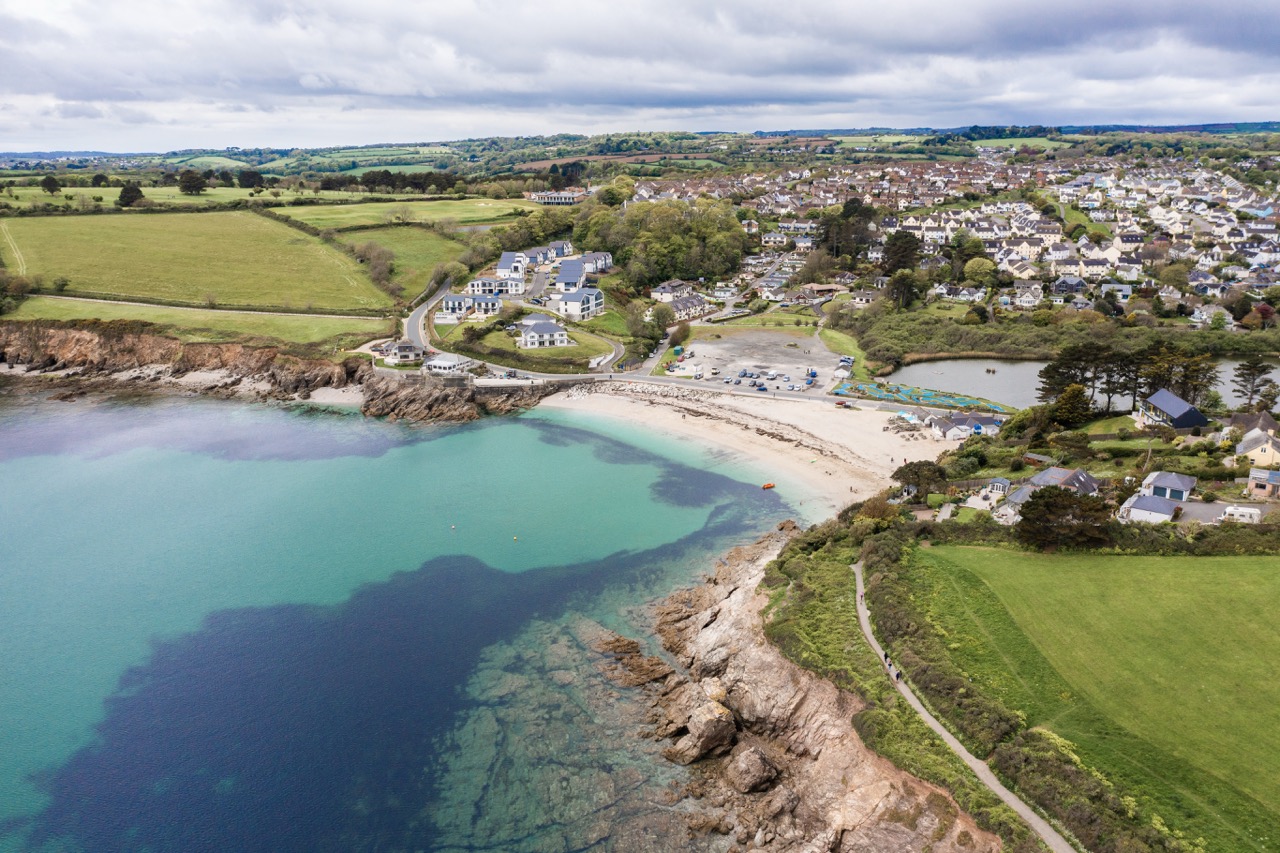
Cornwall’s first seascape scale project, restoring seagrass and native oyster populations within the Fal and Helford Special Area of Conservation.
Recognising the interconnectedness of species, the Mor Nature project will restore more than one habitat, to support the wider marine ecosystem and communities that depend on them. Located in the Fal and Helford Special Area of Conservation, this is the UK’s largest subtidal seagrass restoration project.
Launching in summer 2026, the three-year initiative aims to restore 10 hectares of subtidal seagrass, alongside intertidal seagrass and native oyster populations. To achieve this, the Ocean Conservation Trust is leading the subtidal restoration work, while the Cornwall Wildlife Trust leads the intertidal seagrass and native oyster recovery. This holistic approach combines restoration with protection, monitoring research, and community engagement and stewardship.
Why restore seagrass habitats and native oyster populations?
Seagrass
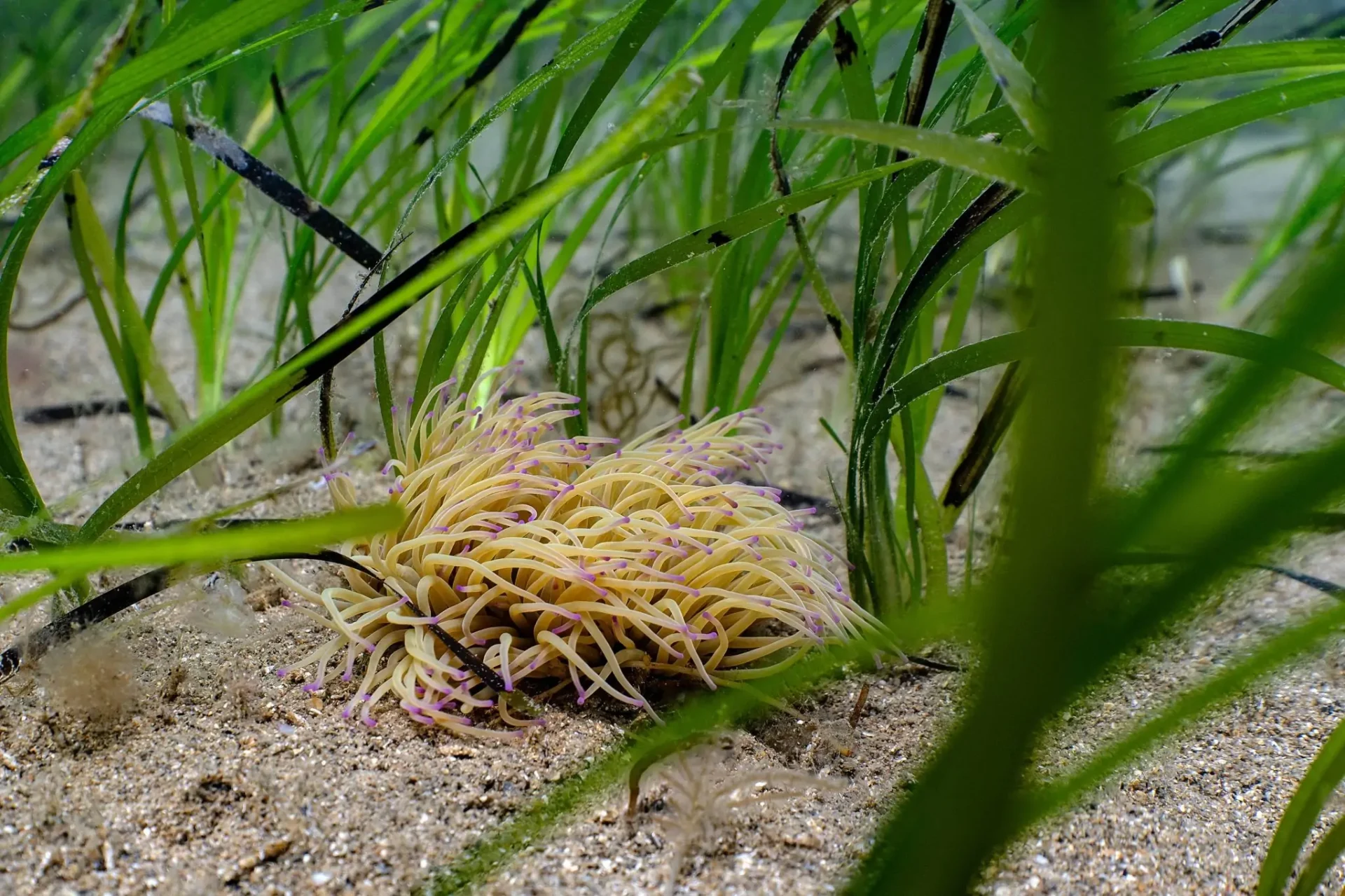
Seagrass is one of the most valuable and biodiverse habitats on the planet, but the UK has lost at least 44% of its seagrass since 1936.
Seagrass meadows allow biodiversity to flourish, including rare endangered species like seahorses and stalked jellyfish. A single hectare can support 80,000 fish and 100 million small invertebrates.
Seagrass acts as a nursery for many commercially important fish species, helping to sustain fish populations and support local fishing industries and coastal economies.
Seagrass is one of the world’s most effective natural carbon sinks. It captures carbon and locks it away in seabed sediments for decades or even centuries, helping tackle climate change. Seagrass meadows absorb carbon up to 35 times more efficiently than tropical rainforests, and despite only covering 0.2% of the seabed, they store 10% of the Ocean’s carbon.
Seagrasses have been shown to filter excess nutrients, improve clarity and reduce the presence of harmful bacteria from the surrounding waters by up to 50%. Their root system helps to anchor sediments, reducing turbidity, whilst trapping nutrients, nitrogen and pollutants via their leaves.
Seagrass roots help stabilise the seabed, while the plants reduce wave energy. This helps reduce coastal erosion, protect shorelines and improve resilience against storms and flooding.
The benefits extend far beyond the ocean itself. Healthy seagrass meadows contribute to cleaner bathing waters, better recreational experiences, stronger local economies and more resilient coastal environments.
Seagrass ecosystems can inspire stories, local artists and cultural events, which support relationships between people and the sea. Seagrasses can support traditional, small scale fishing practice which are linked to local customs. Healthy seagrass beds contribute towards the beauty of the coastline, enhancing community pride and improving mental and physical wellbeing.

Native oysters
Native oysters are one of the UK’s most threatened marine habitats and one of nature’s most effective ecosystem engineers. Once abundant around Cornwall’s coast, oyster reefs created complex underwater habitats that supported marine life, improved water quality and sustained coastal communities.
Native oysters create complex reef habitats that provide food, shelter and nursery areas for a wide range of marine species. A healthy oyster reef supports diverse communities of fish, crabs, worms, seaweeds and other invertebrates, increasing the abundance and diversity of life on the seabed.
Often described as the “engineers” of the marine environment, oysters physically shape the habitats around them. As reefs develop over time, they create three-dimensional structures that provide shelter and feeding opportunities for countless species, helping entire ecosystems to thrive.
Oysters improve water quality by filtering seawater as they feed. A healthy oyster population can help remove excess particles from the water column, increasing water clarity and contributing to healthier marine habitats. Cleaner water can also benefit nearby seagrass meadows by allowing more sunlight to reach the seabed.
Oysters and seagrass are natural partners. Oyster reefs help improve water quality, while seagrass stabilises sediments and provides shelter for marine life. Restoring both habitats together creates healthier, more resilient ecosystems and delivers greater benefits than restoring either habitat alone.
Historically, native oysters were an important part of Cornwall’s maritime heritage and local economy. Healthy oyster populations can support sustainable fisheries and contribute to thriving coastal communities, helping reconnect people with the rich marine heritage of Cornwall’s estuaries and bays.
Native oyster reefs were once a dominant feature of European coastlines, covering millions of hectares. However, overharvesting, habitat loss, disease and environmental pressures have caused populations to decline dramatically, with an estimated 95% of European oyster reefs lost. Restoring native oysters helps rebuild one of Europe’s most threatened marine habitats.
Oyster restoration creates opportunities for local communities, fishers, harbour users and volunteers to play a direct role in marine conservation, through nursery projects, monitoring and hands-on restoration activities.
Discover more about our restoration programme on our Blue Meadows website.