

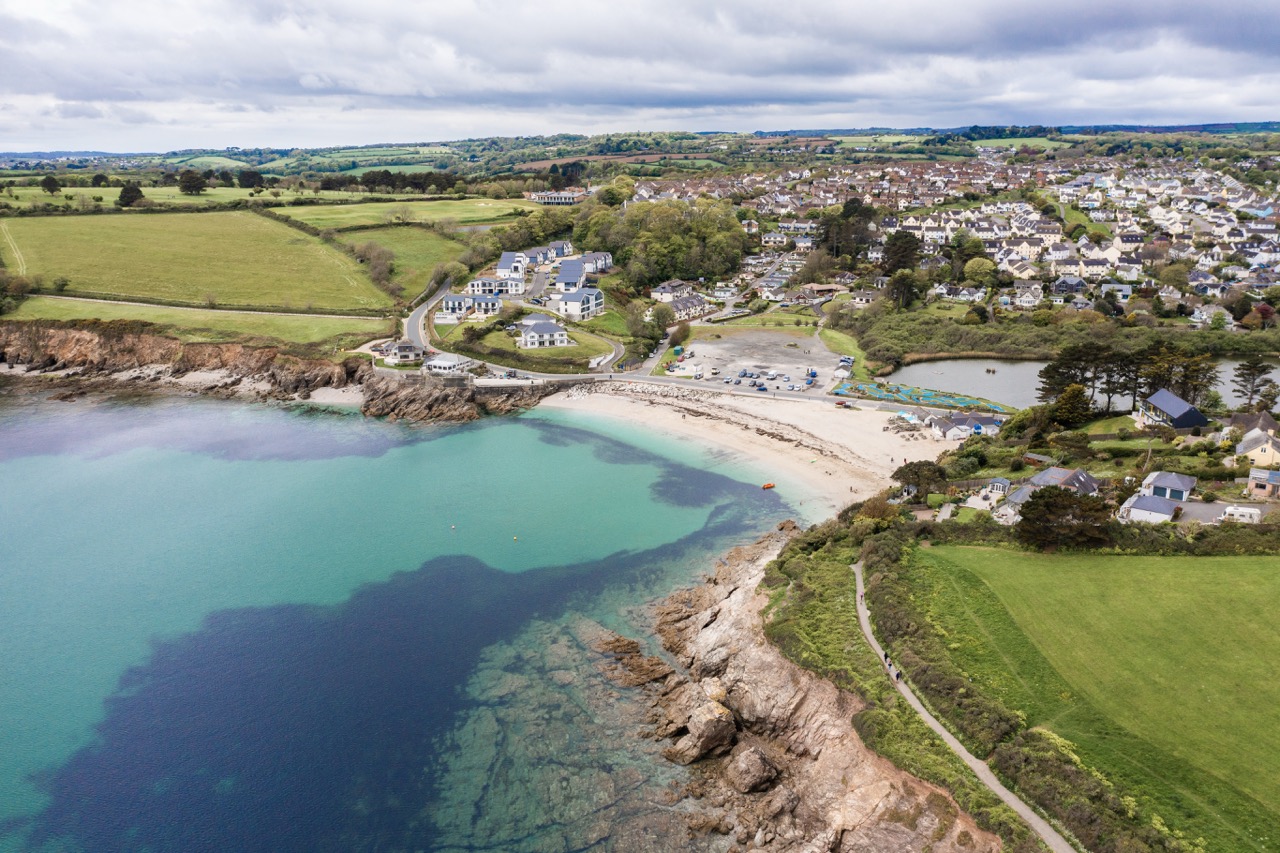
We’re proud to be launching the UK’s largest-ever seagrass restoration project as part of an ambitious £1.8 million marine recovery programme in Cornwall.
Alongside plans to restore 10 hectares of seagrass meadow in Falmouth Bay, the project includes restoring native oyster populations across the Fal and Helford Special Areas of Conservation through a combination of active habitat restoration, monitoring and community stewardship.
Delivered through a new partnership between ourselves at the Ocean Conservation Trust (OCT) and Cornwall Wildlife Trust (CWT), Mor Nature, Cornwall’s first seascape-scale marine restoration initiative, will combine our expertise in large-scale seagrass restoration with CWT’s leadership in native oyster recovery.
With Mor being the Cornish word for sea, Mor Nature, will contribute towards 2043 government targets to increase seagrass by 15% compared to 2024 levels.
Backed by £1.4 million from Defra’s Species Recovery Programme alongside additional funding partners, the project supports the government’s Wild Again: Restoring England’s Wildlife campaign. Led by the OCT and Cornwall Wildlife Trust, the three-year programme will bring together multiple partners, including Falmouth Harbour, Cornwall Council, the Zoological Society of London, the University of Exeter, the Duchy of Cornwall, Falmouth Marine Conservation Group, and other local organisations, to help rebuild some of the UK’s most important marine ecosystems.
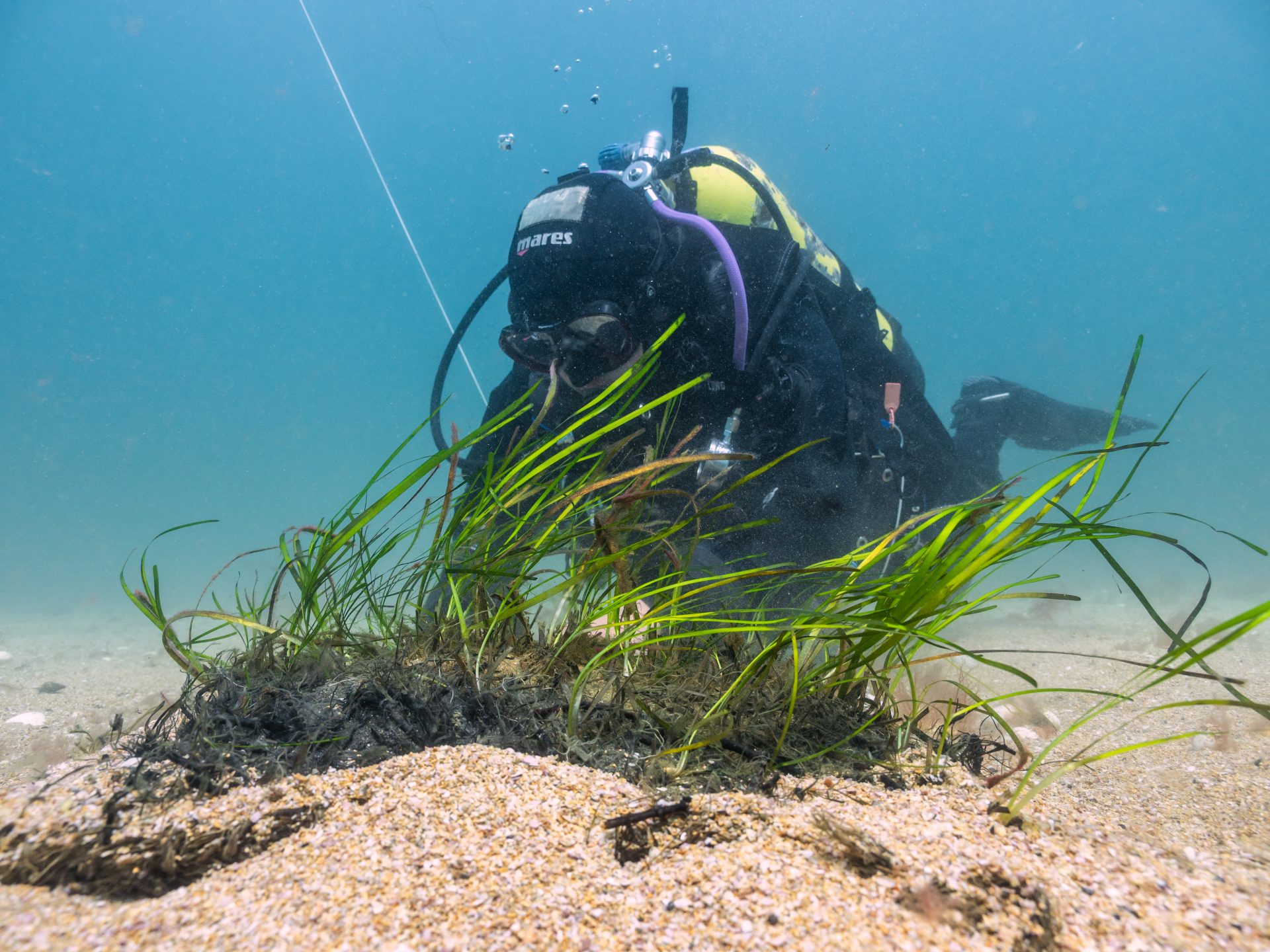
Seagrass meadows are among the most important habitats in the Ocean, supporting biodiversity, improving water quality, storing carbon and protecting coastlines from erosion, as well as having significant cultural and wellbeing benefits for local communities. Yet the UK has lost almost half of its seagrass meadows since the 1930s, with many remaining habitats now in poor condition.
The restoration site stretches between Swanpool and Pendennis Castle in Falmouth Bay, where OCT first established protective measures in 2022 through the installation of Sensitive Habitat Marker Buoys and voluntary no-anchor zones. The project also builds on CWT’s extensive work in the area to map and monitor the existing seagrass meadows and will expand its network of intertidal seagrass restoration sites. CWT will also work with fishers and community groups to establish new oyster nurseries in the Helford.

“Mor Nature represents a major milestone for marine restoration in the UK. We’re not simply planting seagrass; Mor Nature represents the holistic cultivation of an entire underwater garden, nurturing the relationships between interdependent species and habitats that will allow a plethora of marine life to thrive. We’re helping to rebuild an interconnected marine ecosystem that supports wildlife, strengthens coastal resilience and delivers benefits for local communities.
“This project demonstrates what is possible when conservation organisations, local communities, government and industry work together to restore nature at scale.”

By working collaboratively to restore seagrass and native oyster habitats, as partners, we aim to create conditions that support a wide range of marine species, including seahorses and sharks.
Dr Dan Barrios-O’Neill, Head of Marine Conservation at Cornwall Wildlife Trust, adds: “Native oysters were once a defining feature of Cornwall’s seas, creating thriving underwater habitats that supported wildlife, fisheries and coastal communities. Through Mor Nature, we have an opportunity to restore not only oyster populations, but the ecological functions they provide”
The project will also contribute to wider environmental goals around biodiversity recovery, climate resilience and improved coastal water quality. Seagrass meadows act as natural carbon stores, trap pollutants and sediments, reduce harmful bacteria in surrounding waters and provide nursery grounds for commercially important fish species.
To ensure that the habitat restoration has the best possible chance of success, Mor Nature will engage local communities through citizen science projects, snorkel safaris and educational events designed to reconnect people with their local marine environment.
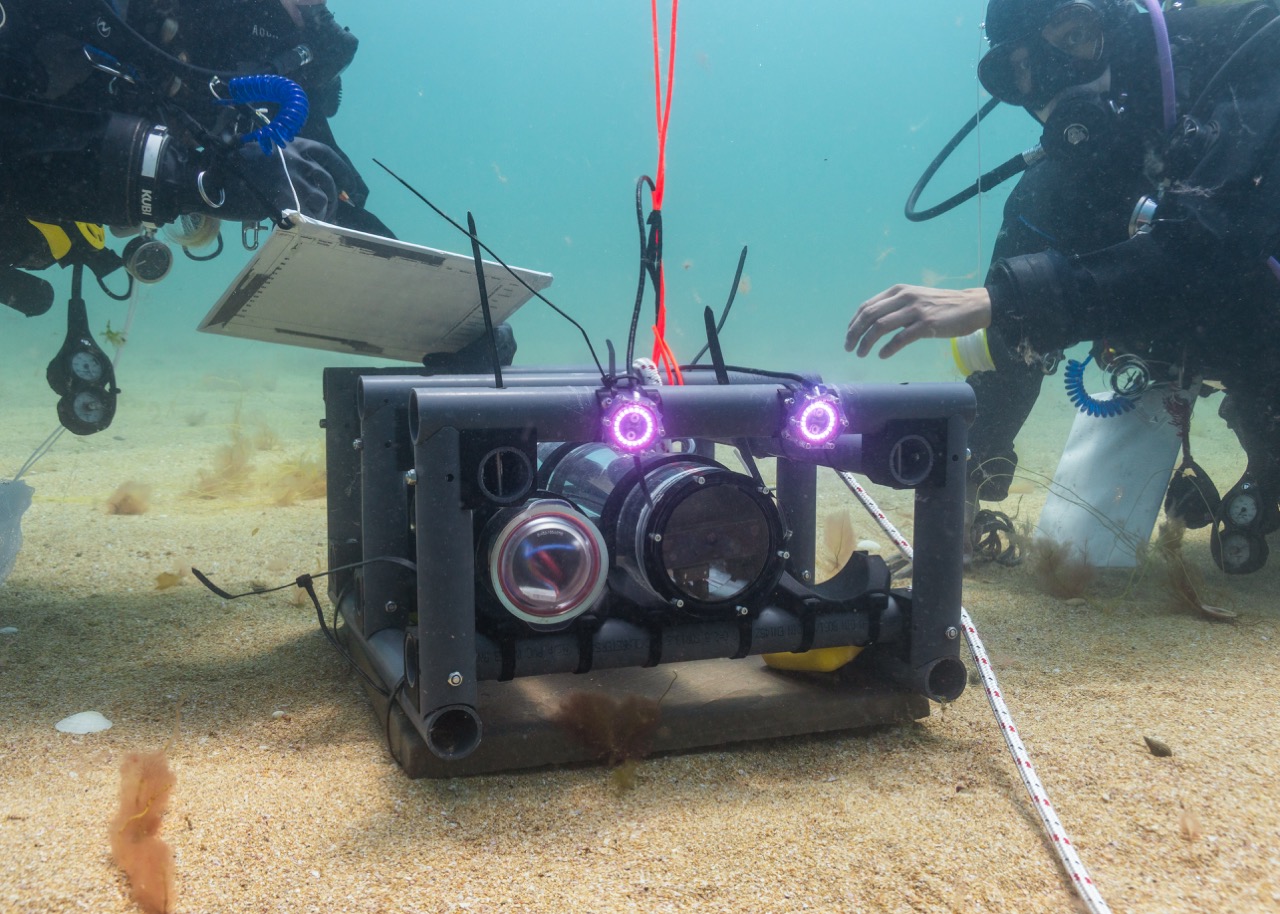
The programme also serves as a testing ground for the future of large-scale marine restoration. Funding will be used to trail the effectiveness of robotic seagrass planters on a small patch of the meadow, but the vast majority of the 10 hectares will be planted by our amazing OCT specialist divers.
As governments, businesses and conservation organisations seek scalable solutions to the biodiversity and climate crises, Mor Nature offers a glimpse of what large-scale ocean recovery could look like in practice.