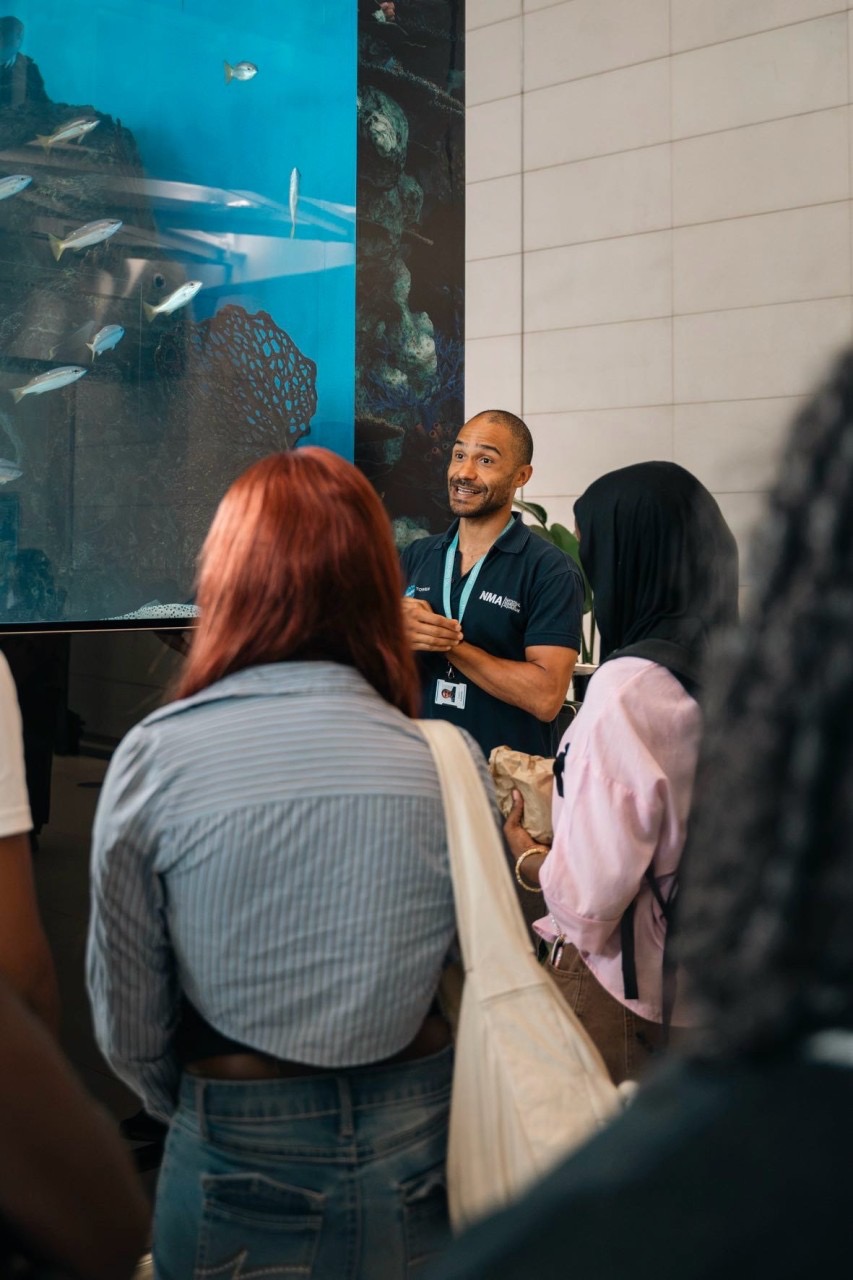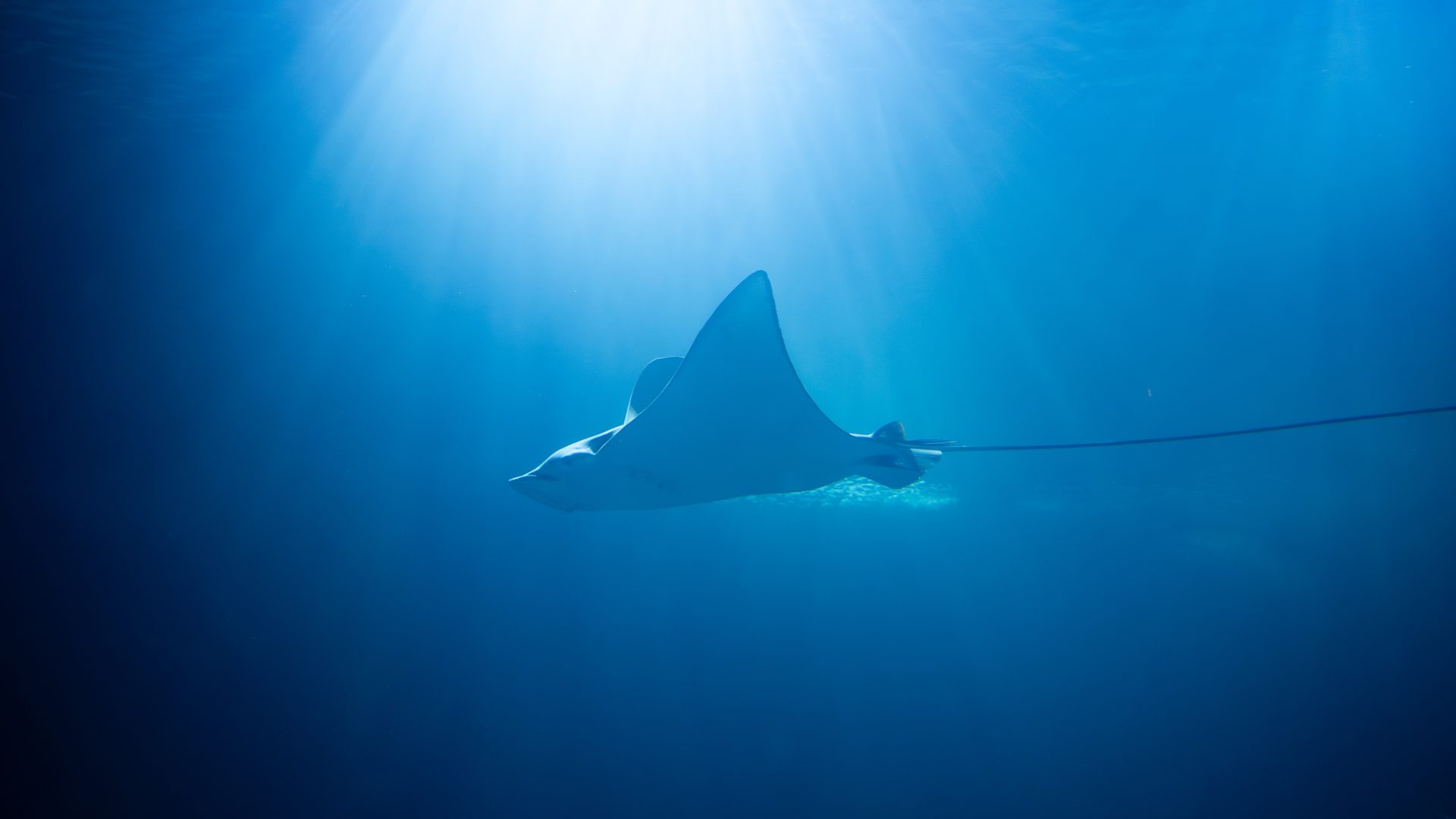
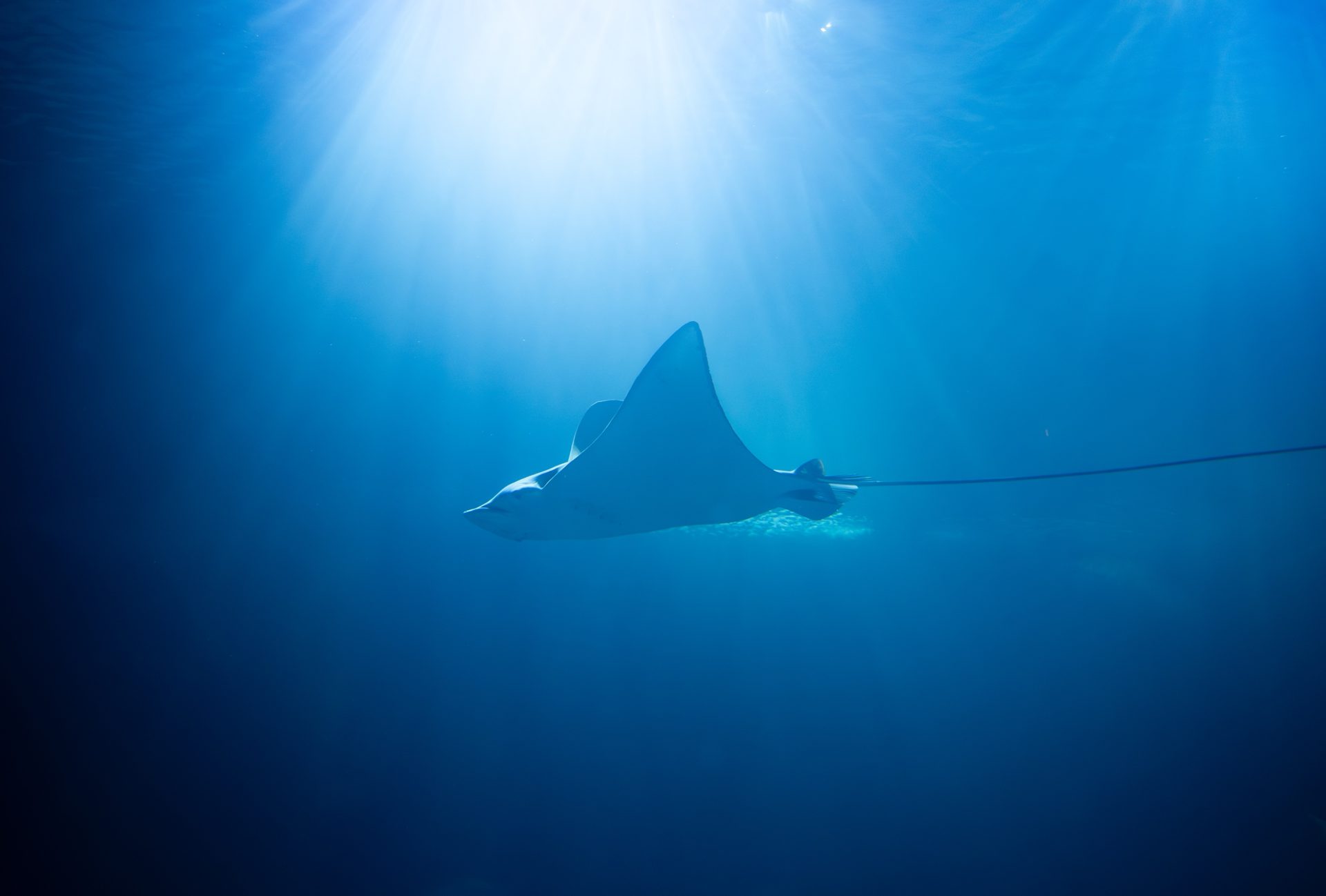
This article was written by Justin Lennon who manages our Aquarium in Salesforce Tower, London. The Salesforce Tower aquarium is the biggest private aquarium in the UK!
“Are zoos really helping to save wildlife?”
It’s a question I’ve been asked throughout my career, and one that ultimately inspired my doctoral research.
Modern zoos and aquariums occupy a unique position in conservation. Millions of people visit them every year, yet debate continues over whether their collections truly reflect conservation priorities or simply showcase the charismatic animals visitors want to see.
Rather than relying on opinion, I wanted to look at the evidence.
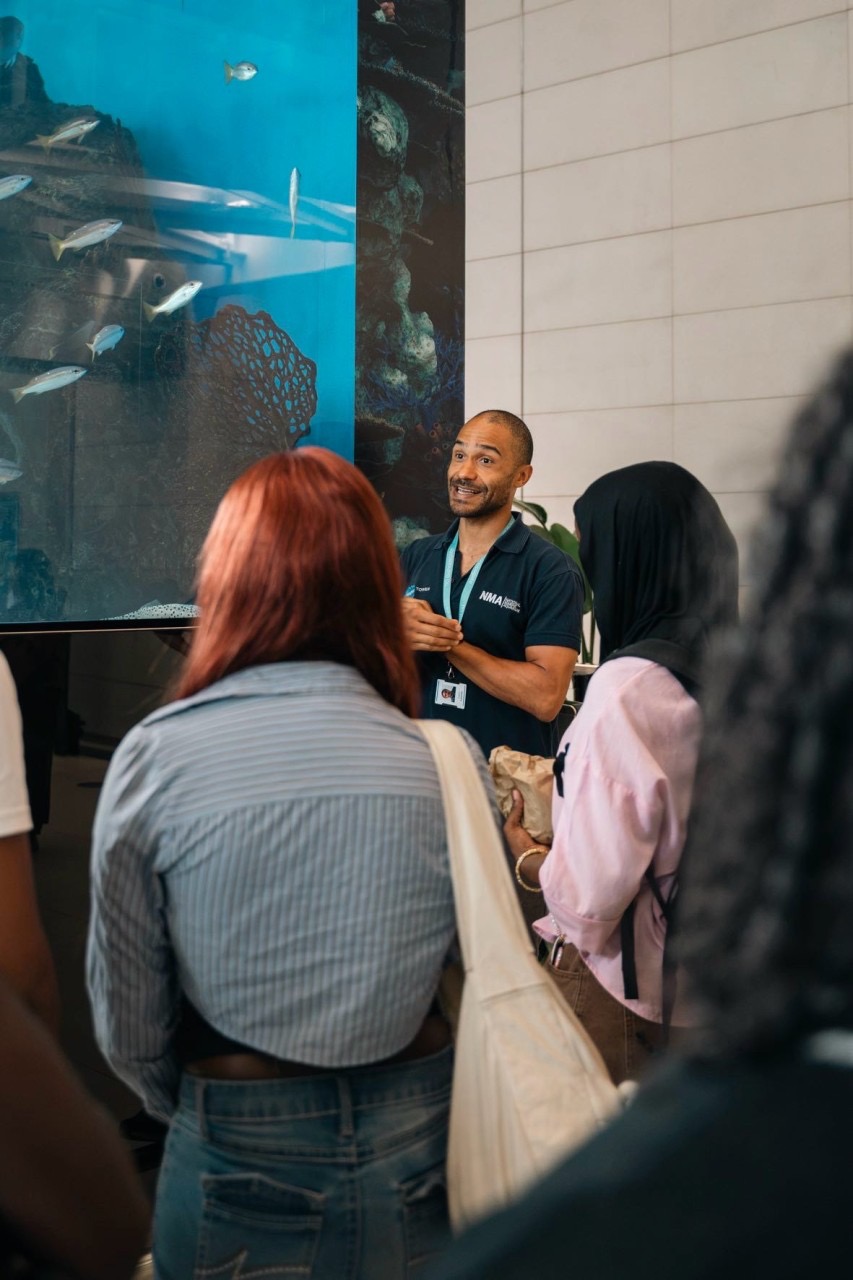
For my research, published in the journal PLOS ONE, I analysed the vertebrate collections of 113 members of the British and Irish Association of Zoos and Aquariums (BIAZA). Together, these collections represent more than 106,000 animals across over 2,600 species, making this the first study to examine both the diversity of species and the size of captive populations across British and Irish zoos.
At first glance, the results appeared to confirm a long-standing criticism. Globally non-threatened species still make up much of the captive population. If conservation decisions were based solely on the IUCN Red List, it would be easy to conclude that zoos continue to favour familiar, charismatic animals over those facing extinction.
But as I explored the data, a more interesting story began to emerge.
Global conservation status doesn’t always reflect what’s happening closer to home. Many species that are considered secure worldwide are experiencing serious declines within Britain. The European wildcat is a good example. Although listed globally as a species of Least Concern, its remaining wild population in Britain has declined dramatically. Maintaining healthy captive populations isn’t simply about displaying another wildcat—it provides an important safeguard for one of our own most threatened native mammals.
This pattern appeared repeatedly throughout the research. Across BIAZA collections I identified 182 native UK vertebrate species, including 84 recognised conservation priority species. Animals such as water voles, pine martens and great crested newts may not attract the same attention as elephants or tigers, but they are central to restoring Britain’s biodiversity. Their presence demonstrates that modern collections increasingly support conservation at both regional and global scales.
Perhaps the most encouraging finding involved amphibians. They are among the least celebrated animals in any zoo, yet they are also the most threatened vertebrate group on the planet. Although amphibians made up the smallest vertebrate group in BIAZA collections, almost half of all captive amphibians belonged to globally threatened species. To me, that reflects a shift in collection planning towards species with genuine conservation need, even when they are unlikely to become visitor favourites.
One discovery particularly stayed with me.
Among the thousands of animals recorded were six species officially classified as Extinct in the Wild. These species survive today only because of coordinated conservation breeding programmes. Without the work of zoos and aquariums, they would no longer exist anywhere on Earth. It’s a powerful reminder that some of the most important conservation successes happen quietly, behind the scenes, often unnoticed by the people visiting these collections.
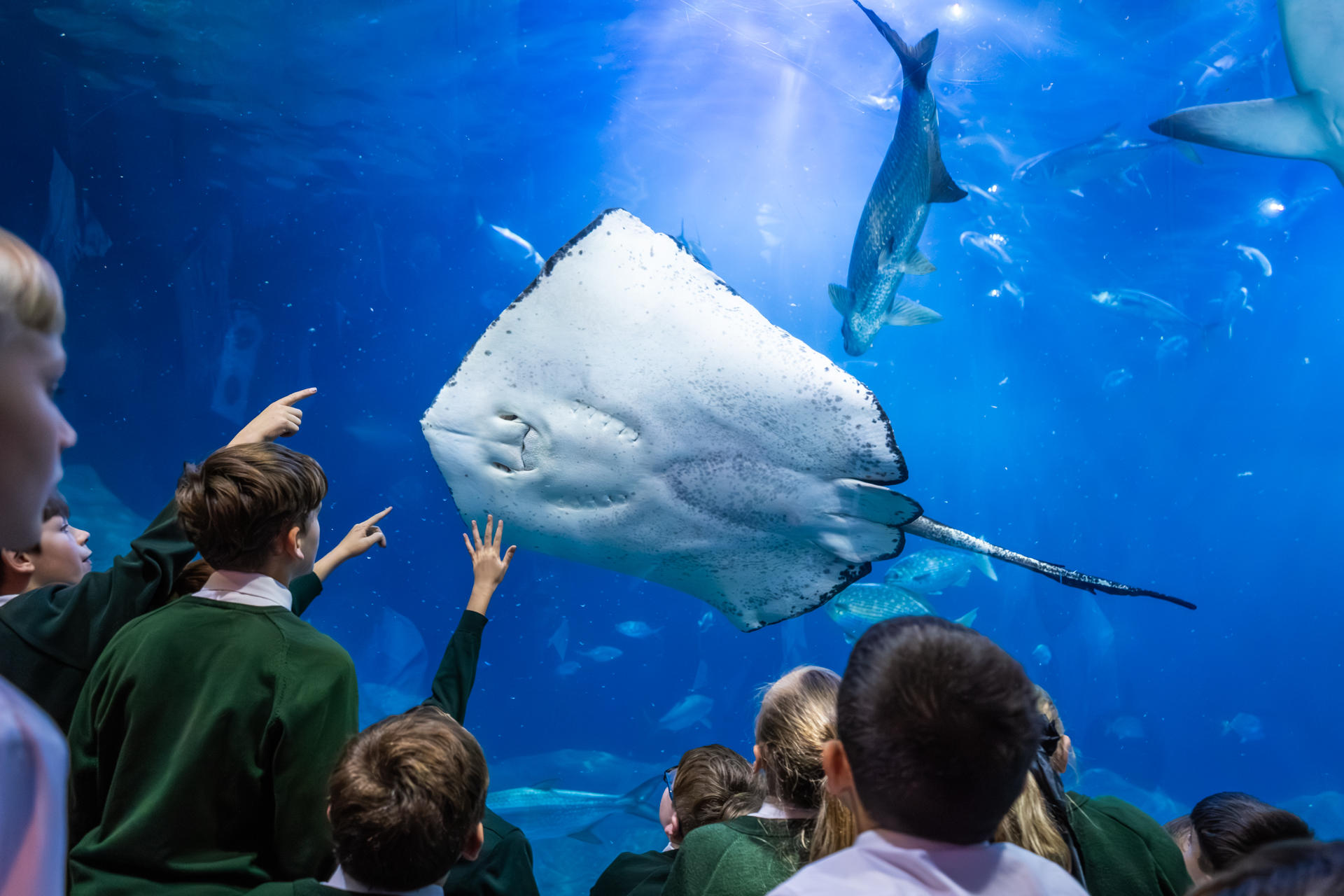
Something the data couldn’t measure was perhaps one of the most important contributions zoos and aquariums make. For many visitors, these institutions provide their first real encounter with wildlife. Watching a jellyfish drift through an aquarium, hearing the call of a gibbon or seeing a critically endangered frog for the first time can create a sense of wonder that is difficult to achieve elsewhere. Those experiences matter because people are far more likely to protect the natural world when they feel connected to it. In an increasingly urban society, where everyday encounters with wildlife are becoming less common, zoos and aquariums provide an important bridge between people and nature. They help to inspire curiosity, empathy and, ultimately, a desire to conserve the biodiversity on which we all depend.
Conducting this research changed my own perspective. Like many people, I was aware of the criticism surrounding zoos, and it’s right that they continue to be challenged to demonstrate their conservation value. But spending years analysing these collections also revealed how much important work takes place beyond the exhibits. Modern zoos are no longer simply places where animals are displayed. They have become centres for conservation breeding, scientific research, education and international collaboration, working together to safeguard species that may one day return to the wild.
There is still more to do.
My research suggests that British and Irish zoos could further strengthen their role by expanding support for locally threatened species. Yet the evidence also offers genuine optimism. Conservation isn’t measured simply by the number of endangered species on display. It’s about maintaining healthy populations, protecting local wildlife before it disappears and inspiring people to care about the natural world.

As biodiversity continues to decline, no single organisation can solve the crisis alone. Zoos and aquariums are only one part of a much larger conservation effort. But they are playing a far more important role than many people realise, quietly helping to ensure that future generations inherit a world that is still rich in wildlife.