

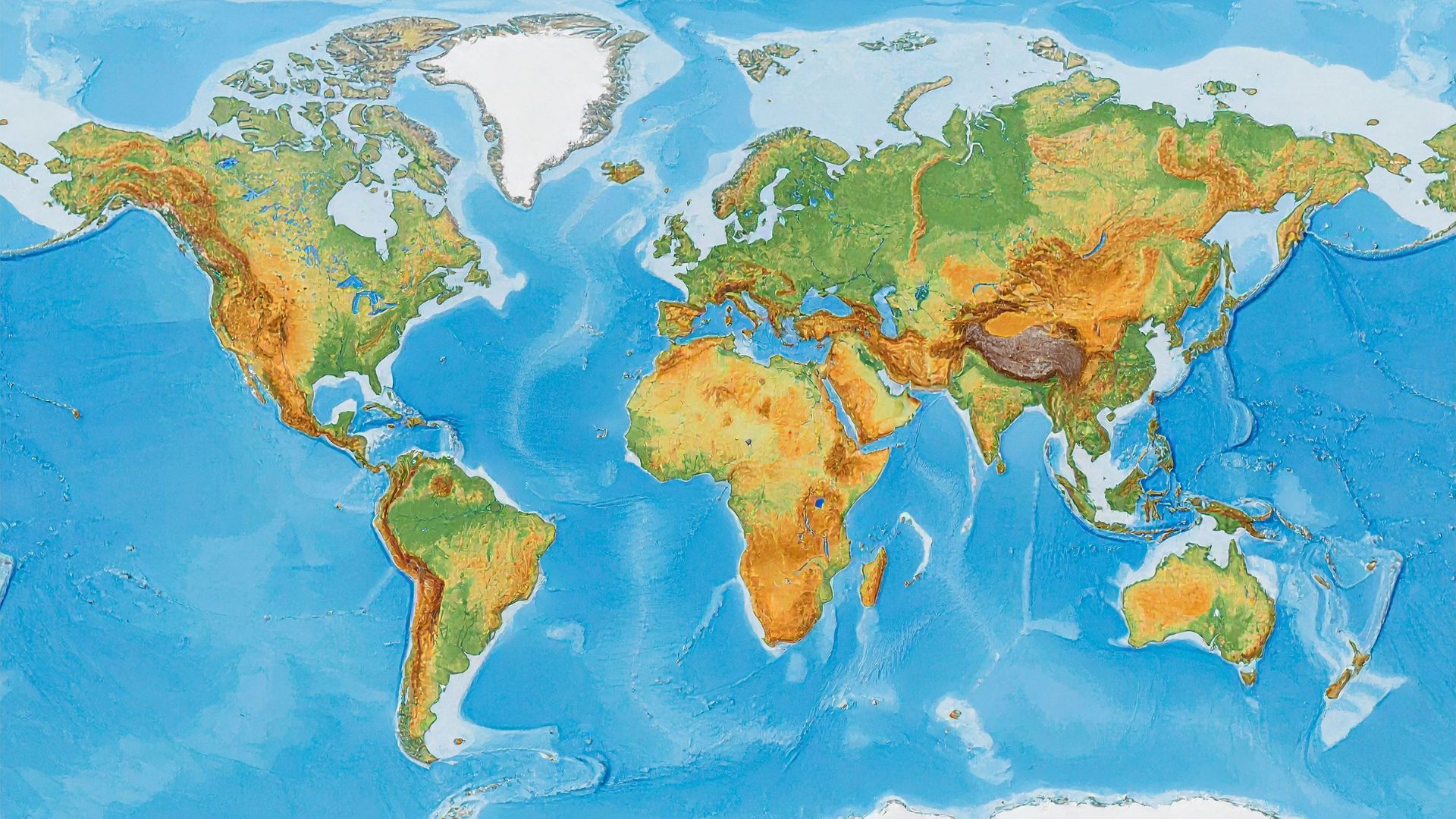
You may have noticed that we always write “Ocean” with a capital O. You might also notice that you won’t find “the oceans” written by the OCT! These aren’t typos, and it’s not just a style choice. It’s a shift in how we think about our blue planet. At school, we learn about the different Ocean basins, calling them the Pacific Ocean, Atlantic Ocean, Arctic Ocean, Indian Ocean, and Southern Ocean. But if we look at a map, all those basins are connected, making it one big Ocean.
Why does this matter?
The words and structure of our language shape how we think about the world. Talk about an environmental challenge in, say, the Arctic Ocean, and you may be inclined to think it doesn’t affect you on an island in the Atlantic Ocean. However, the Ocean has no borders, and what happens in one Ocean basin can directly impact another. By thinking and talking about one Ocean, we are reminded that we are all connected by the Ocean, no matter where we live.
What about the sea?
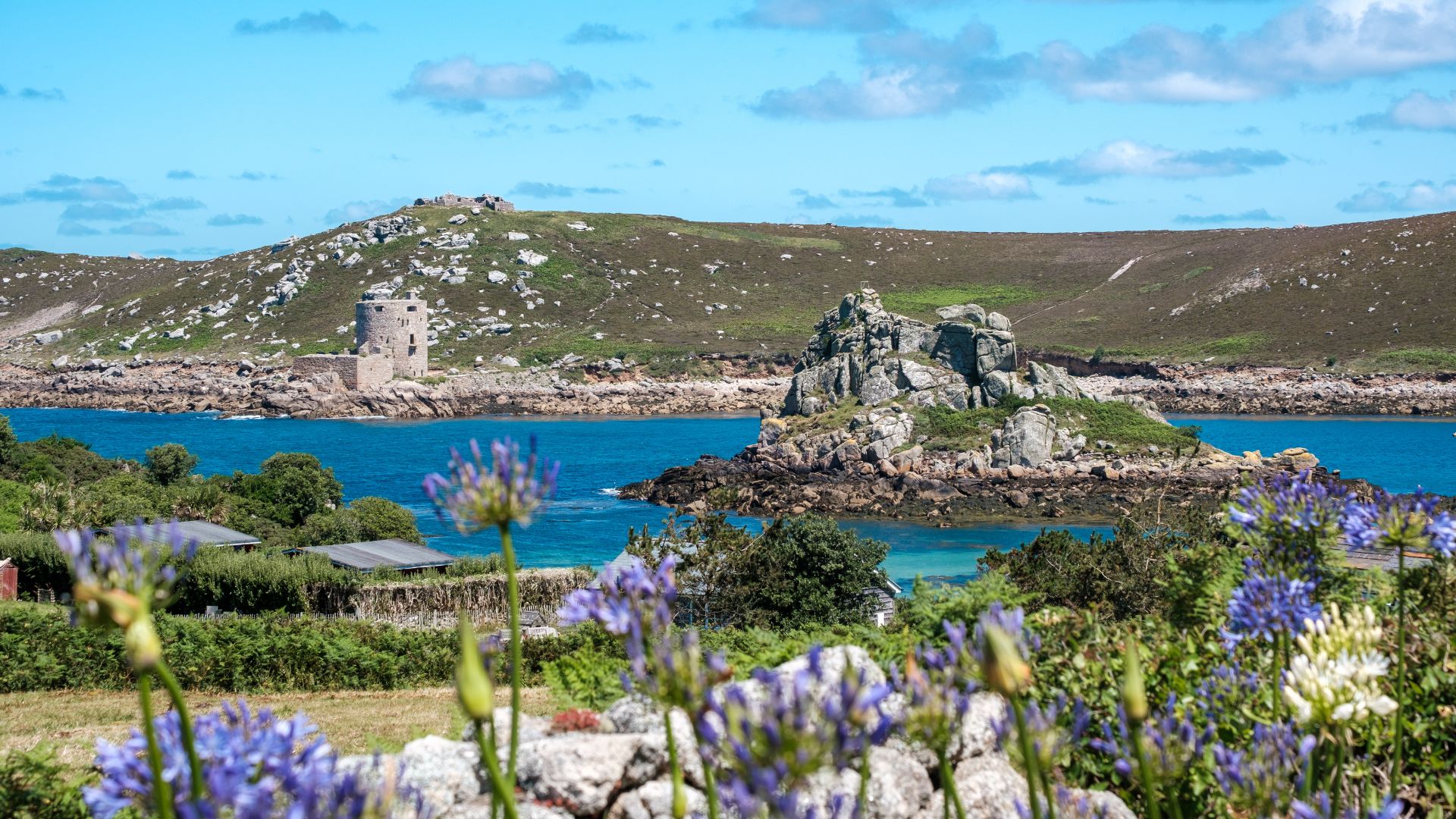
Depending on local culture and customs and historical contexts, many people refer to their nearest Ocean as ‘the sea’, for example the area of Ocean between the UK and the western countries of Europe is called the North Sea. However, the North Sea is part of the Atlantic Ocean basin – a bit like counties, regions or states are the smaller parts of countries or continents. So, it really does all come down to language! Whether it’s a sea, channel, sound or Solent, all of these bodies of water are still part of one Ocean.
Connected by currents
Huge Ocean currents carry warm and cool water around the globe, helping to shape our weather and keeping the planet’s temperature in balance. It’s one of the best examples of how we’re all connected by the same Ocean.
Take the Gulf Stream. It’s part of a much bigger system (known as the Atlantic Meridional Overturning Circulation (AMOC) that carries warm water north and cool water south, a bit like a giant conveyor belt. This helps keep Europe’s climate mild, supports marine life, and plays a large role in shaping the seasons we experience. Without it, UK winters would be a lot colder than we’re used to.
But this system is delicate. As the Ocean and atmosphere warm and freshwater flows into the Ocean from melting ice in the Arctic, it can throw things off balance. Freshwater is lighter than salt water, so an influx of it can prevent water from sinking the way the Gulf Stream depends on, slowing the current down. If that happens, the effects will be felt by communities and ecosystems across the Ocean and the continents that depend on it.
So, what can we all do to protect our Ocean’s delicate balance?
Shifting mindsets
Our interconnectedness is a reminder that through collective action we can protect the Ocean we all rely on. For example, a great place to start is by making small changes at home that reduce your carbon footprint. To help you with this, we have some tips for how you can create an Ocean Friendly Home. Our free planner helps you make small but impactful swaps that support Ocean health and benefit the climate, no matter where you live.
At the Ocean Conservation Trust, we are fostering people’s connection to the Ocean, whether that’s in, on, or around it. Through this work, we are increasing Ocean Literacy within our audiences, because when we all work together to protect our Ocean, small changes add up to a big impact. You can read more about this topic on UNESCO’s Ocean Literacy page.